Fixed Teeth vs Removable
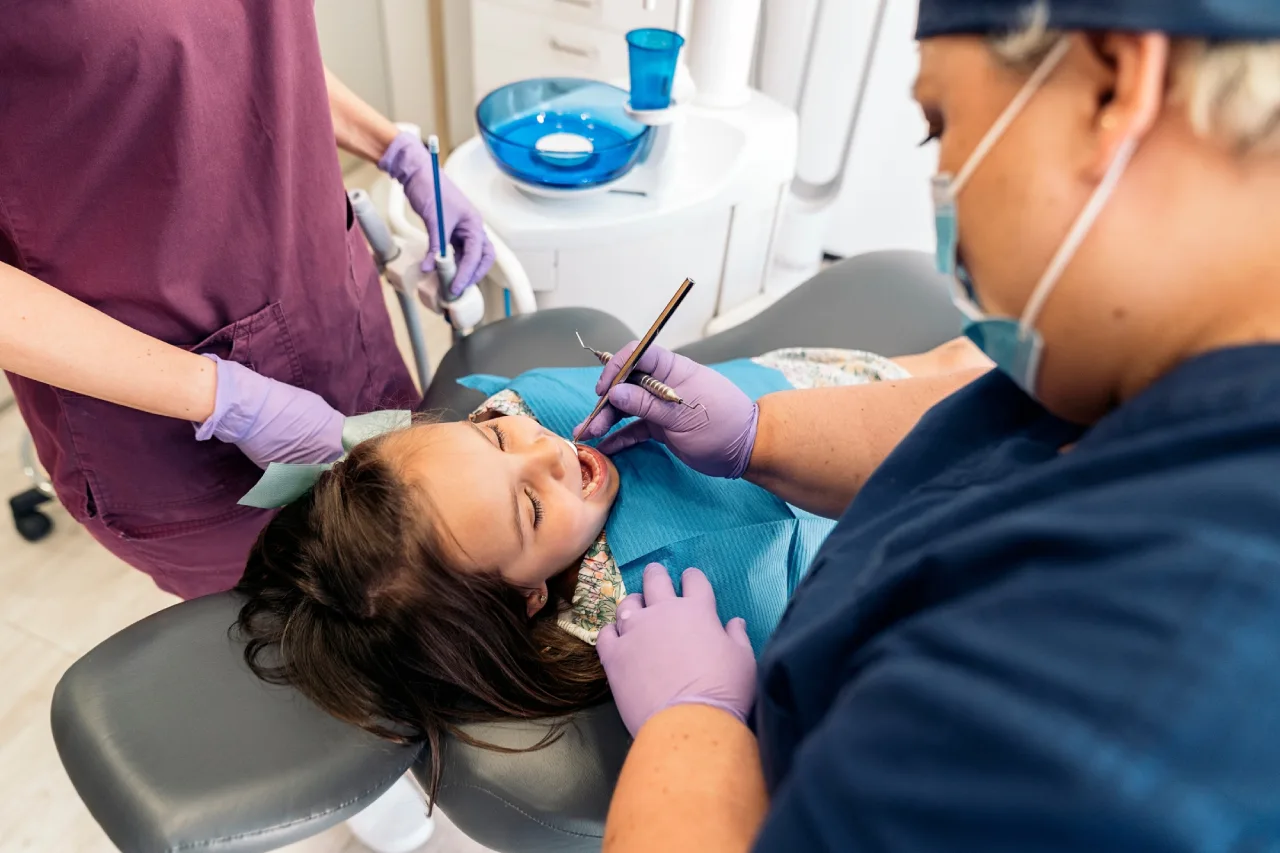
When replacing missing teeth, patients often have to choose between fixed teeth and removable tooth replacement options. At Raymore Family Dentistry, we believe informed decisions lead to better outcomes. This page is designed to help patients understand the differences and choose what best fits their lifestyle, comfort, and long-term oral health goals.
Fixed tooth solutions are designed to remain securely in place, while removable options can be taken out for cleaning. Each option has its advantages depending on bone structure, number of missing teeth, and personal preference.
Zirconia Fixed Bridges
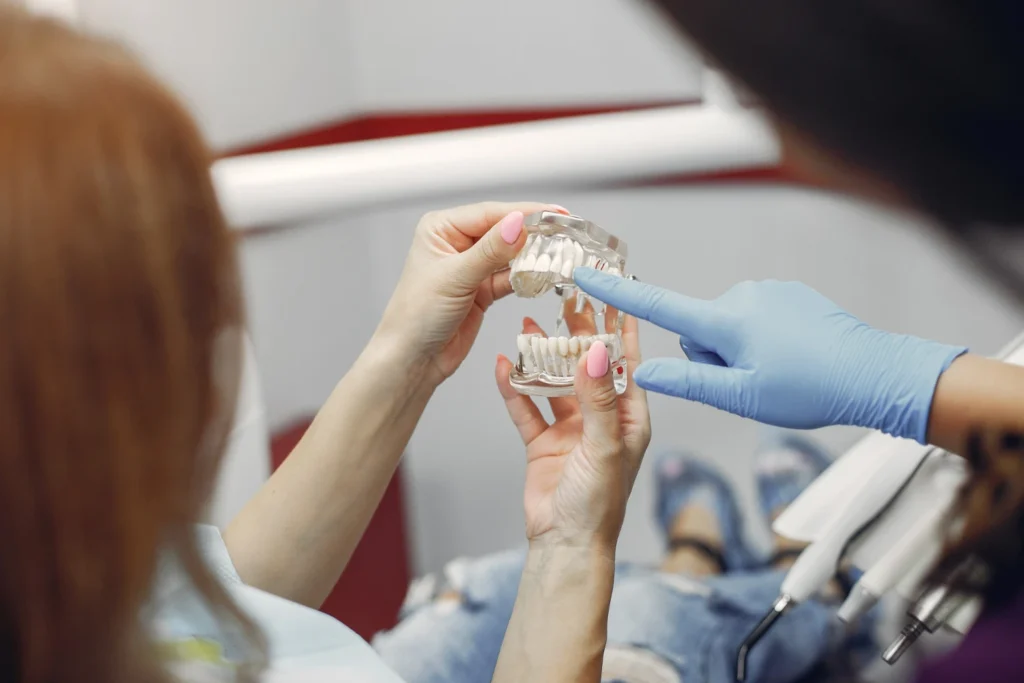
Zirconia fixed bridges are a durable and highly aesthetic solution for replacing multiple missing teeth. These bridges are supported by dental implants and are permanently secured, offering a natural look and feel.
Zirconia is known for its strength, biocompatibility, and ability to closely mimic natural tooth enamel. Fixed bridges provide excellent stability,
allowing patients to chew comfortably and speak with confidence. Because they are fixed in place, they eliminate the movement commonly associated with removable dentures
iTero Dental Imaging
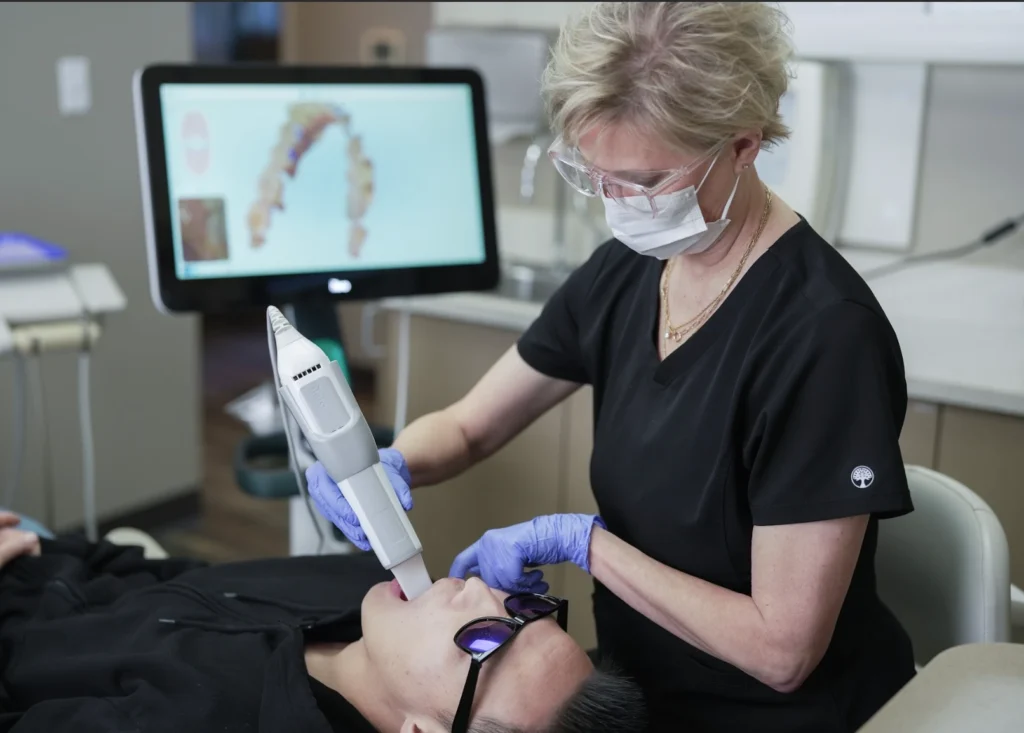
iTero dental imaging allows for precise digital scanning of the teeth and bite without traditional impressions. This technology improves accuracy, comfort, and treatment planning for both fixed and removable dental solutions.
Digital imaging helps ensure restorations fit properly, function comfortably, and deliver predictable results.
It also allows patients to better visualize treatment outcomes before procedures begin.
Contact Information
Mon : 8:00am – 4:00pm
Tues - Wed : 8:00am – 5:00pm
Thursday : 7:30am – 3:30pm
Fri - Sun : Emergency for patients of record
109B S Madison St, Raymore,
MO 64083
816-322-8080
appointments@saadfamilydental.com
Fixed Teeth vs Removable Teeth: Choosing the Right Tooth Replacement in Raymore
When you are missing several teeth or all of your teeth, one of the biggest decisions is whether to choose a fixed (permanent) solution or a removable one. Both can restore your smile and ability to eat, but they differ in comfort, stability, maintenance, cost and long-term effects on your jawbone. At Raymore Family Dentistry, Dr. Saad Tarar walks patients through every option so they can make a confident, informed choice.
What Are Fixed Teeth?
Fixed teeth stay in your mouth at all times and can only be removed by a dentist. Options include:
- Dental bridges – supported by crowns on neighboring natural teeth. See crowns and bridges.
- Implant-supported crowns and bridges – anchored to dental implants in the jawbone. See dental implants.
- Fixed full-arch restorations – a complete set of upper or lower teeth secured on several implants, often made of strong zirconia.
What Are Removable Teeth?
Removable options are taken out daily for cleaning and usually at night. They include:
- Full dentures – replace all teeth in an arch and rest on the gums.
- Partial dentures – replace some teeth and clip onto remaining natural teeth.
- Implant-retained (snap-on) dentures – removable dentures that click onto two or more implants for added stability.
Learn more on our full and partial dentures page.
Side-by-Side Comparison
Stability and chewing. Fixed implant teeth feel the most like natural teeth and let you bite into apples, chew steak and enjoy most foods with confidence. Snap-on dentures are much more stable than traditional dentures. Conventional dentures may shift while chewing, especially lower dentures.
Comfort and feel. Fixed restorations do not cover the roof of the mouth, so taste and temperature feel more natural. Upper dentures typically cover the palate.
Bone preservation. Implants stimulate the jawbone and help prevent the shrinking that follows tooth loss. Dentures resting on the gums do not, so the bone gradually recedes and dentures may need relines or replacement over time.
Maintenance. Fixed teeth are brushed and cleaned in place with special floss or a water flosser. Removable teeth are taken out and cleaned separately, and the gums are brushed daily.
Appearance. Both can look natural. Fixed options often provide better lip and facial support over the long term because they preserve bone.
Treatment time. Dentures can be made in a few weeks. Implant treatment typically takes several months for healing, although temporary teeth are usually provided.
Cost. Removable dentures have the lowest upfront cost. Fixed implant options require a larger investment but often last longer and need fewer replacements.
Questions to Ask Yourself
- How important is it to never take my teeth out?
- Do I want to eat the widest range of foods without worry?
- Am I bothered by the feel of plastic covering my palate?
- Is my current denture loose or uncomfortable?
- What is my budget now, and how do I feel about long-term value?
- Am I healthy enough for implant surgery, or would a non-surgical option be better?
A Middle-Ground Option
Many patients choose implant-retained dentures as a balance between cost and stability. As few as two implants in the lower jaw can transform a loose denture into one that snaps securely in place. It remains removable for cleaning but stays put while eating and speaking.
How We Help You Decide
Your consultation includes an exam, X-rays and 3D imaging to evaluate your bone and gums, and a digital scan with our iTero system. Dr. Tarar explains which options are possible for you, the steps and timeline for each and a written estimate, so you can compare clearly. There is no pressure; many patients take time to consider their choice.
Caring for Fixed and Removable Teeth
Whichever option you choose, regular checkups are important. For fixed teeth, we clean around implants and bridges and check the gums and bone. For dentures, we check the fit, look for sore spots and screen the soft tissues of the mouth. A well-maintained restoration lasts longer and keeps you comfortable.
Frequently Asked Questions
Can I switch from dentures to fixed teeth later?
Often, yes. If bone has been lost, grafting may be needed before implants are placed.
Are fixed implant teeth hard to clean?
They require a good routine with a soft brush and water flosser, which we teach you, plus professional cleanings.
Will insurance pay for implants?
Coverage varies. Some plans contribute toward implants or the restorations on top. We will review your benefits. See insurance and financing.
Which option lasts longest?
Implants have the longest potential lifespan. Dentures usually need relines or replacement every several years as the jaw changes.
Can I try a removable option first?
Yes. Some patients begin with a denture, then add implants later to stabilize it or convert to a fixed bridge when they are ready.
Talk With Us About Your Options
Find the tooth replacement that fits your life at Raymore Family Dentistry, 109B S Madison St, Raymore, MO 64083. New patients call (816) 310-0150, current patients call (816) 322-8080, or book a consultation online. Explore implant dentistry for more details.