
Root Canal Therapy
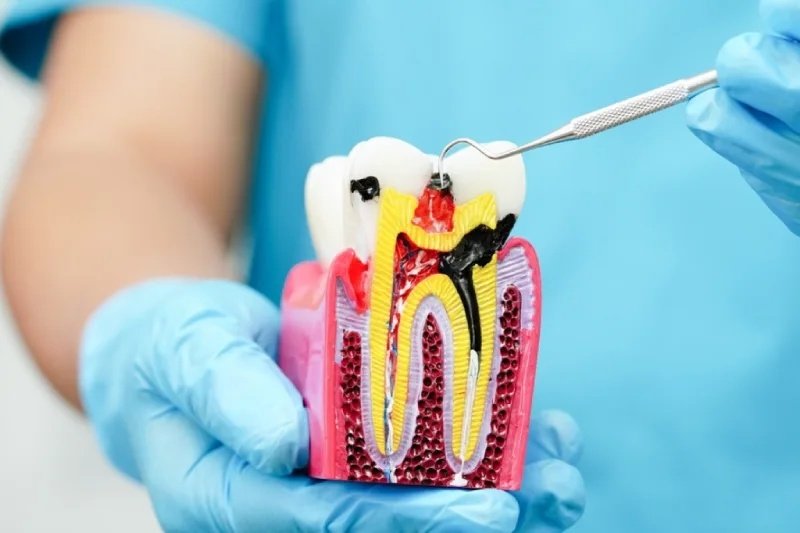
Root canal therapy is used to save infected or severely damaged teeth. By removing infected tissue and sealing the tooth, this treatment relieves pain and helps preserve natural teeth whenever possible.
Signs You Need It
A badly infected or inflamed dental pulp causes intense pain, prolonged sensitivity, or swelling. Root canal therapy removes the infection to stop pain and save the tooth.
Procedure
Our endodontic process involves removing the damaged nerve and pulp inside the tooth, thoroughly cleaning and disinfecting the canals, then sealing them. We use comfortable anesthesia and sedation, so the procedure feels like getting a filling.
Restoration
After your root canal, we restore the tooth’s structure with a filling or crown (usually a crown for back teeth). This step is crucial to strengthen the tooth and prevent fractures. Raymore Family Dentistry provides durable crowns that match your tooth color.
Pain Relief & Preservation
The goal is to relieve your pain quickly. Most patients report feeling much better after the swelling and infection are removed. You keep your natural tooth rather than opting for an extraction and bridge/implant.
If you have severe toothache or other symptoms of an infected tooth, don’t delay seeking prompt treatment. Call 1-816-322-8080 for an evaluation. We offer prompt root canal appointments to stop your pain and restore your smile.
Contact Information
Mon : 8:00am – 4:00pm
Tues - Wed : 8:00am – 5:00pm
Thursday : 7:30am – 3:30pm
Fri - Sun : Emergency for patients of record
109B S Madison St, Raymore,
MO 64083
816-322-8080
appointments@saadfamilydental.com
Root Canal Therapy in Raymore, MO: Relieve Pain and Save Your Tooth
The words “root canal” make many people nervous, but modern root canal therapy is a routine, comfortable procedure that relieves tooth pain rather than causing it. At Raymore Family Dentistry, Dr. Saad Tarar uses gentle techniques and effective anesthesia to remove infection from inside the tooth, stop the pain and help you keep your natural tooth for years to come.
What Is a Root Canal?
Inside every tooth is a soft core called the pulp, which contains nerves and blood vessels. When the pulp becomes inflamed or infected because of deep decay, a crack, repeated dental work or an injury, it can cause severe pain and eventually an abscess. Root canal therapy removes the damaged pulp, cleans and disinfects the canals inside the root, and seals them to prevent reinfection.
Signs You May Need Root Canal Therapy
- Persistent or throbbing toothache
- Lingering sensitivity to hot or cold after the source is removed
- Pain when chewing or touching the tooth
- Swelling or tenderness in the nearby gums
- A pimple-like bump on the gum that may drain
- Darkening or discoloration of a tooth
Sometimes an infected tooth causes no symptoms at all and is discovered on X-rays during a routine checkup. That is one more reason regular visits are important.
The Root Canal Procedure Step by Step
- Diagnosis – we examine the tooth, test its response and take digital X-rays.
- Numbing – the area is thoroughly numbed so you feel comfortable throughout.
- Access – a small opening is made in the top of the tooth.
- Cleaning and shaping – the infected pulp is removed and the canals are cleaned and disinfected.
- Sealing – the canals are filled with a biocompatible material and sealed.
- Restoration – the tooth receives a filling and, in most cases, a crown to protect it from breaking.
Most root canals are completed in one or two visits. Many patients say the experience felt similar to getting a filling.
Benefits of Saving Your Natural Tooth
- Relieves pain caused by infection and inflammation
- Stops infection from spreading to the jaw and other areas
- Keeps your natural tooth, bite and chewing efficiency
- Prevents neighboring teeth from shifting into a gap
- Often costs less over time than extraction and replacement
Root Canal vs Extraction
Whenever possible, keeping your natural tooth is the best option. An extraction may seem simpler, but a missing tooth usually needs to be replaced with an implant, bridge or denture to prevent shifting and bone loss. If a tooth is too badly damaged to save, we will discuss extraction and replacement options with you.
Recovery and Aftercare
It is normal for the tooth to feel tender for a few days, especially when biting. Over-the-counter pain relievers usually manage this well. Avoid chewing hard foods on the treated tooth until your final crown is placed, keep brushing and flossing normally and attend your follow-up visit. Call us if you notice swelling, severe pain or your temporary filling comes out.
How Long Does a Root Canal Last?
With a well-sealed crown and good oral hygiene, a tooth treated with root canal therapy can last for many years, often a lifetime. The most important step is completing the final restoration promptly.
Cost and Insurance
Most dental insurance plans cover a portion of root canal therapy and crowns. We will check your benefits, give you an estimate and offer financing options. See insurance and financing.
Frequently Asked Questions
Is a root canal painful?
The procedure is done under local anesthetic and is usually no more uncomfortable than a filling. It relieves the pain of the infection.
Can I drive myself home?
Yes. With local anesthetic you can usually drive and return to normal activities the same day.
Do I really need a crown afterward?
Back teeth almost always need a crown because a treated tooth can become brittle. Front teeth sometimes only need a filling.
What if I wait?
Infections do not heal on their own. Waiting can lead to an abscess, swelling and a greater chance of losing the tooth. If you are in pain, see our emergency dentistry page.
Comfort Is Our Priority
Many people who come to us for root canal therapy are already in pain and worried about the treatment itself. We take extra time to make sure you are completely numb before we begin, explain each step as we go, and give you breaks whenever you need them. You can raise your hand at any time to pause. Patients often tell us they were surprised by how relaxed the appointment felt and how quickly their toothache disappeared afterward. If dental anxiety has kept you from getting care, please tell our team so we can plan your visit around your comfort.
Will my tooth look different after a root canal?
Your tooth will look natural, especially once a tooth-colored crown or filling is placed. If a front tooth has darkened, we can discuss whitening or a crown to match it.
Can a root canal fail?
Most root canals succeed long term. Occasionally a tooth needs retreatment if new decay or a crack lets bacteria back in, which is why a well-fitting crown and regular checkups are so important.
Get Relief Today
If you have a toothache or sensitivity that will not go away, call Raymore Family Dentistry at (816) 322-8080 (current patients) or (816) 310-0150 (new patients). We are located at 109B S Madison St, Raymore, MO 64083, or you can contact us online.