Dental Implants

Single Dental Implants
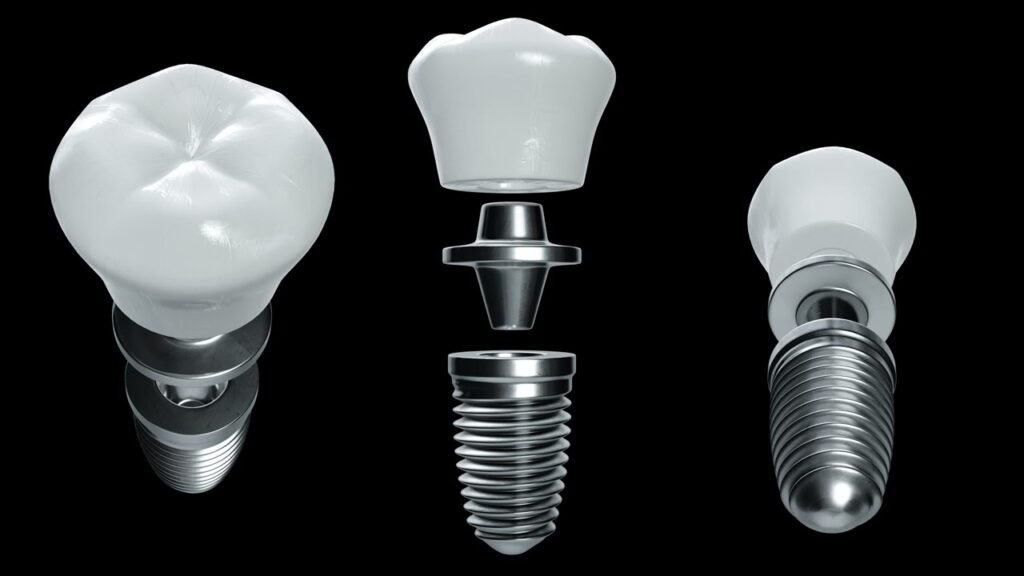
Single dental implants are the ideal solution for patients missing one tooth due to decay, injury, or extraction. A titanium implant is placed into the jawbone, where it integrates naturally with the bone over time. Once healed, a custom dental crown is attached, restoring both function and appearance.
Single implants are designed to look and feel like natural teeth, allowing you to chew, speak, and smile with confidence. Because they do not rely on neighboring teeth for support, they preserve the health of surrounding teeth and maintain proper bite alignment.
At Raymore Family Dentistry, single dental implant treatment is carefully planned using modern imaging and precise indications. Each implant is placed with attention to comfort, stability, and long-term success, making it a dependable tooth replacement option for eligible patients.
Contact Information
Mon - Wed : 8:00am – 4:00pm
Thursday : 7:30am – 3:30pm
Fri - Sun : Emergency for patients of record
109B S Madison St, Raymore,
MO 64083
816-322-8080
appointments@saadfamilydental.com
Dental Implants in Raymore, MO: Your Questions Answered
Dental implants have become the preferred way to replace missing teeth for many patients, and for good reason. They look, feel and function like natural teeth and are designed to last. Still, choosing implants is a big decision, and it is natural to have questions about candidacy, comfort, timelines, cost and long-term care. On this page, Raymore Family Dentistry answers the questions we hear most often so you can feel confident about your next step. For an overview of every implant option, visit our implant dentistry page.
How Do Dental Implants Work?
An implant is a small post, usually made of titanium, that is placed into the jawbone. Over the following weeks and months, the bone grows tightly around the implant in a process called osseointegration. Once integrated, the implant acts as an artificial root that can support a crown, a bridge or a denture. Because it is anchored in bone, it provides stability similar to a natural tooth and helps maintain the jaw’s shape. You can read more in our article How Do Dental Implants Work?
What Can Dental Implants Replace?
- One tooth – a single implant and crown. See single dental implants.
- Several teeth – two or more implants supporting a fixed bridge.
- All teeth in an arch – implant-retained dentures or a fixed full-arch bridge, such as zirconia fixed bridges.
Who Is a Good Candidate?
Most healthy adults who are missing teeth can be considered. Important factors include:
- Healthy gums – active gum disease should be treated first. See periodontal cleanings.
- Adequate bone – if bone has thinned, a bone graft can often rebuild it.
- General health – well-controlled conditions such as diabetes usually do not rule out implants.
- Tobacco use – smoking slows healing and increases risk, so quitting improves outcomes.
- Commitment to care – daily cleaning and regular checkups keep implants healthy.
What Happens at an Implant Consultation?
During your visit, Dr. Saad Tarar reviews your medical and dental history, examines your mouth, and takes X-rays and 3D imaging to evaluate bone volume and the position of nerves and sinuses. Digital impressions from our iTero scanner help plan the final restoration. We then explain your options, the expected timeline and a written estimate, so you have everything you need to decide.
Is Implant Surgery Painful?
Implant placement is performed with local anesthetic, so you should feel pressure but not pain during the procedure. Afterward, most patients describe the discomfort as similar to or less than a tooth extraction and manage it with over-the-counter pain relievers for a few days. Swelling is usually mild and short-lived.
How Long Does the Process Take?
For many patients, the process takes three to six months from placement to final restoration. If an extraction or bone graft is needed first, the timeline may be longer. In some cases, an implant can be placed on the same day a tooth is removed. Temporary teeth are often available so you are not without a smile while you heal. See our article on the implant process from start to finish.
How Long Do Dental Implants Last?
The implant post can last for decades and often a lifetime. The crown or prosthesis attached to it may need replacement after many years due to normal wear. Long-term success depends on good oral hygiene, regular professional cleanings, not smoking and protecting your teeth from grinding with a night guard. Learn more in why dental implants last longer.
What Are the Alternatives?
If implants are not right for you, other options include a traditional bridge or full or partial dentures. Our blog article on alternatives to dental implants compares them in detail.
How Much Do Dental Implants Cost?
Cost varies with the number of implants, whether bone grafting is required and the type of restoration. Some dental insurance plans now contribute toward implants or related procedures. We provide a written estimate before you commit and offer financing and our in-house membership plan. See insurance and financing and our guide to affordable dental implants.
Caring for Dental Implants
- Brush twice daily with a soft brush, paying attention to the gumline around implants
- Clean between teeth daily with floss, interdental brushes or a water flosser
- Keep regular cleanings so we can monitor gum and bone health around each implant
- Report any bleeding, swelling or looseness right away
More Quick Answers
Can implants fail?
Implants have high success rates. Failure is uncommon and is more likely with smoking, uncontrolled diabetes or poor hygiene.
Will an implant set off metal detectors?
No. Dental implants are too small to trigger airport security.
Can I get implants if I already wear dentures?
Often, yes. Implants can stabilize an existing or new denture so it no longer slips.
Start Your Implant Journey in Raymore
If you are ready to replace missing teeth, schedule a consultation at Raymore Family Dentistry, 109B S Madison St, Raymore, MO 64083. New patients call (816) 310-0150, current patients call (816) 322-8080, or request an appointment online.