
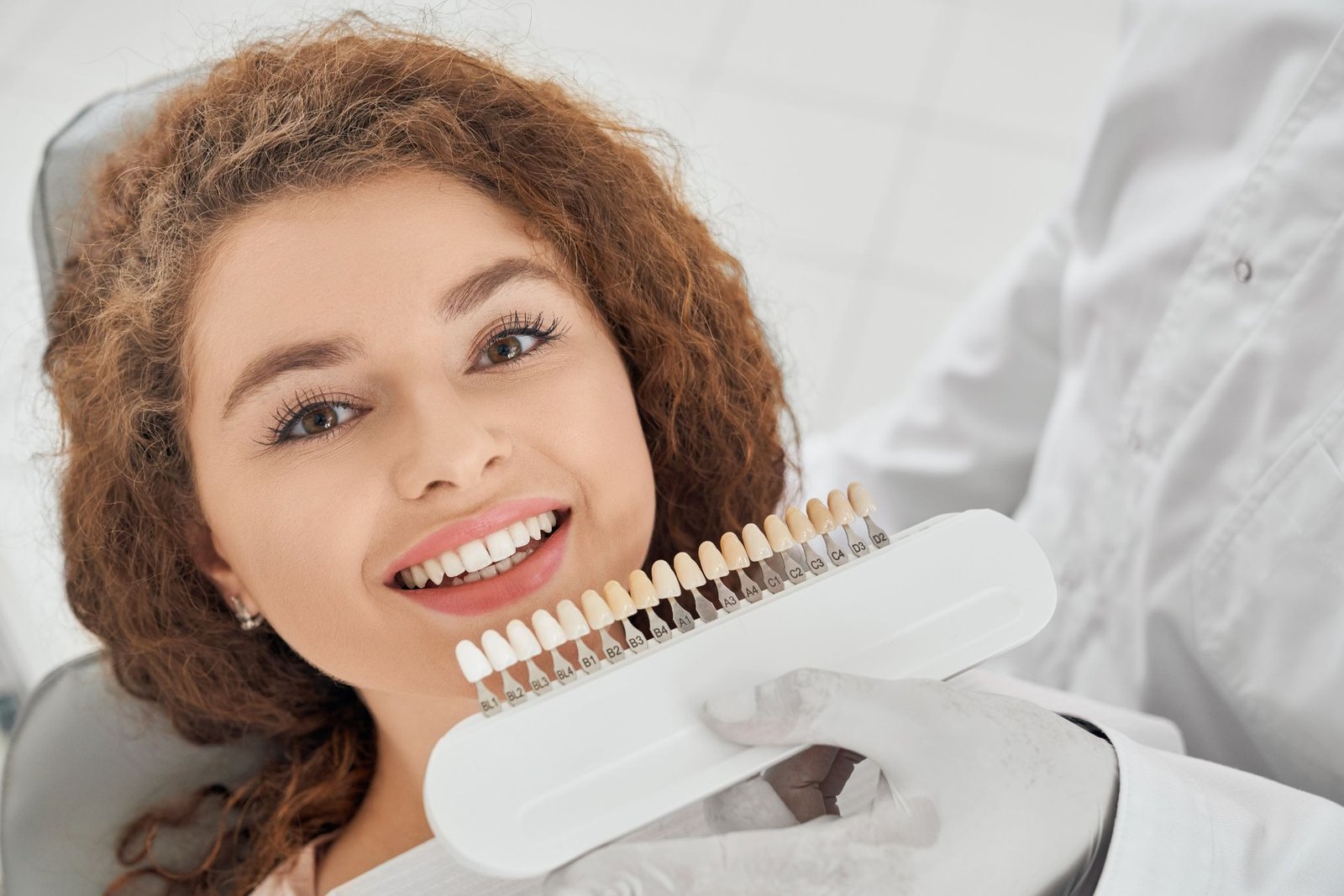
A brighter smile continues to be one of the most requested cosmetic dental improvements among adults and teens. Teeth Whitening treatments are popular because they can improve the appearance of stained or discolored teeth while helping patients feel more confident during everyday interactions and social situations.
Many people searching for Teeth Whitening solutions want treatments that provide noticeable results without causing unnecessary tooth sensitivity or enamel damage. Working with experienced dental professionals like Raymore Family Dentistry helps patients better understand which whitening methods are safest and most effective for their individual dental needs.
Tooth discoloration can happen gradually due to age, coffee, tea, wine, tobacco use, certain medications, and everyday food stains. While over the counter products are widely available, not every whitening option produces consistent or long lasting results.
Patients considering Teeth Whitening often compare professional treatments with at home solutions before making a decision. Understanding the differences between in office whitening, take home systems, and DIY methods can help patients choose the safest and most practical option for achieving a brighter smile.
Understanding What Causes Tooth Discoloration
Tooth stains can develop for several different reasons, and identifying the cause often helps determine the most effective whitening approach. Some stains affect the outer enamel, while others develop deeper within the tooth structure.
Common causes of discoloration include:
- Coffee and tea consumption
- Smoking or tobacco use
- Aging and enamel wear
- Dark colored foods and beverages
Many patients seeking professional teeth whitening are surprised to learn that lifestyle habits play a major role in how quickly stains develop over time.
How Professional Teeth Whitening Works
Professional whitening treatments use dental grade whitening agents designed to safely break apart stains on the enamel surface. These treatments are typically stronger and more controlled than over the counter whitening products.
Professional whitening benefits often include:
- Faster visible results
- More even whitening
- Customized treatment plans
- Professional supervision
Many patients interested in Teeth Whitening prefer professional care because treatments are adjusted according to tooth sensitivity and overall dental health.
Benefits of In Office Whitening Treatments
In office whitening remains one of the fastest ways to improve tooth color because treatments are performed using high strength whitening agents under professional supervision.
Advantages of in office whitening include:
- Immediate visible improvements
- Short treatment times
- Controlled application methods
- Reduced risk of misuse
Patients considering in-office whitening often choose this option when preparing for weddings, professional events, photographs, or other important occasions where a brighter smile is desired quickly.
Comparing At Home Whitening Kits
At home whitening kits are another common option for patients who prefer gradual whitening improvements over time. Professional take home systems usually include custom trays and dentist approved whitening solutions.
At home whitening advantages include:
- Flexible treatment schedules
- Gradual whitening control
- Convenience during use
- Lower sensitivity risk for some patients
Many affordable teeth whitening solutions offered through dental offices provide stronger and safer results than generic store bought whitening kits.
Understanding DIY Whitening Risks
Many social media trends and online whitening tips promote homemade whitening remedies that may not always be safe for enamel health. Some abrasive ingredients can permanently damage tooth surfaces when used repeatedly.
Potential DIY whitening risks include:
- Increased tooth sensitivity
- Enamel erosion
- Gum irritation
- Uneven whitening results
Patients researching DIY teeth whitening safety should understand that certain home remedies may create more long term damage than cosmetic improvement.
Why Whitening Toothpaste Has Limitations
Whitening toothpaste can help remove minor surface stains, but these products generally cannot dramatically change natural tooth color. Most whitening toothpaste works through mild polishing agents rather than deeper bleaching ingredients.
Whitening toothpaste may help with:
- Surface stain removal
- Daily stain prevention
- Minor brightness improvements
- Maintenance after treatments
Many patients seeking professional teeth whitening use whitening toothpaste primarily to maintain results after completing professional treatments.
Tooth Sensitivity During Whitening Treatments
Temporary tooth sensitivity is one of the most common side effects associated with whitening procedures. Sensitivity usually occurs when whitening agents penetrate the enamel and temporarily irritate the tooth nerve.
Ways to reduce whitening sensitivity include:
- Using sensitivity toothpaste
- Avoiding extremely cold foods
- Shortening whitening sessions
- Following professional instructions carefully
A qualified teeth whitening dentist can often adjust treatment strength and timing to help minimize discomfort during the whitening process.
How Long Teeth Whitening Results Last
Whitening results vary depending on oral hygiene habits, dietary choices, and lifestyle factors. Some patients maintain brighter smiles for extended periods, while others may require touch up treatments sooner.
Factors affecting whitening longevity include:
- Smoking habits
- Coffee or wine consumption
- Oral hygiene routines
- Frequency of staining foods
Many affordable teeth whitening maintenance plans involve periodic touch up treatments combined with improved stain prevention habits.
The Difference Between Surface and Deep Stains
Not all tooth discoloration responds the same way to whitening treatments. Surface stains typically respond faster, while deep internal discoloration may require additional cosmetic procedures.
Surface stains are commonly caused by:
- Food and beverages
- Tobacco use
- Plaque buildup
- Poor oral hygiene
Deep stains may result from aging, medications, or trauma. Patients interested in complete smile improvements sometimes explore cosmetic options through Smile Makeover treatments alongside whitening procedures.
Foods and Drinks That Commonly Cause Staining
Certain foods and beverages contain pigments and acids that contribute to enamel discoloration over time. Limiting stain causing items can help maintain whitening results longer.
Common staining foods and drinks include:
- Coffee
- Red wine
- Dark soda
- Tomato based sauces
Following whitening tips related to diet and oral hygiene can significantly improve the longevity of whitening results.
The Importance of Dental Exams Before Whitening
Not every patient is immediately eligible for whitening treatments. Cavities, gum disease, worn enamel, or dental restorations may need attention before beginning cosmetic whitening procedures.
A pre whitening exam may evaluate:
- Overall oral health
- Existing restorations
- Gum condition
- Tooth sensitivity history
Professional teeth whitening evaluations help ensure whitening treatments are both safe and effective for each patient’s individual dental condition.
Whitening Treatments for Sensitive Teeth
Patients with naturally sensitive teeth may still qualify for whitening treatments using modified techniques and lower strength whitening agents. Professional supervision helps reduce the risk of excessive discomfort.
Options for sensitive patients may include:
- Shorter treatment sessions
- Lower concentration whitening gels
- Custom tray adjustments
- Sensitivity reducing products
Many in-office whitening systems now include desensitizing ingredients designed to improve comfort during treatment.
Common Myths About Teeth Whitening
There are many misconceptions surrounding whitening treatments, especially regarding safety and long term enamel health. Professional whitening performed correctly does not permanently damage healthy enamel.
Common whitening myths include:
- Whitening weakens teeth permanently
- All whitening products work equally
- Whitening results are permanent
- DIY methods are safer than professional care
Understanding DIY teeth whitening safety helps patients avoid misleading trends that may create unnecessary oral health risks.
Maintaining Whitening Results After Treatment
Post treatment care plays an important role in preserving whitening results. Good oral hygiene and stain prevention habits can help patients maintain brighter smiles longer.
Helpful maintenance habits include:
- Brushing after meals
- Drinking water regularly
- Avoiding tobacco products
- Scheduling routine dental cleanings
Many patients continue regular maintenance visits after professional teeth whitening to help preserve cosmetic improvements over time.
Choosing the Right Whitening Option for Your Needs
Every patient has different cosmetic goals, sensitivity levels, and budget considerations. Selecting the right whitening method depends on balancing effectiveness, comfort, convenience, and long term oral health.
Important considerations include:
- Desired whitening speed
- Tooth sensitivity levels
- Existing dental restorations
- Long term maintenance expectations
Patients interested in discussing whitening options or scheduling dental consultations can visit the Raymore Family Dentistry Contact us for additional information about cosmetic dental services and treatment planning.
Frequently Asked Questions
Q1. What is the difference between in-office whitening and at home whitening?
In office whitening provides faster results using stronger whitening agents, while at home systems offer gradual improvements through custom trays and professional guidance.
Q2. Is professional teeth whitening safe for enamel?
Yes, professional whitening performed under dental supervision is generally considered safe for healthy teeth and enamel when instructions are followed properly.
Q3. How long do Teeth Whitening results usually last?
Results vary depending on diet, smoking habits, and oral hygiene. Many patients maintain results for several months to a few years with proper maintenance.
Q4. Are affordable teeth whitening treatments effective?
Professional affordable whitening treatments can still provide effective and noticeable improvements when supervised by qualified dental professionals.
Q5. What should patients know about DIY teeth whitening safety?
Some DIY whitening methods may damage enamel or irritate gums. Patients should avoid abrasive or unapproved whitening remedies without professional guidance.
