
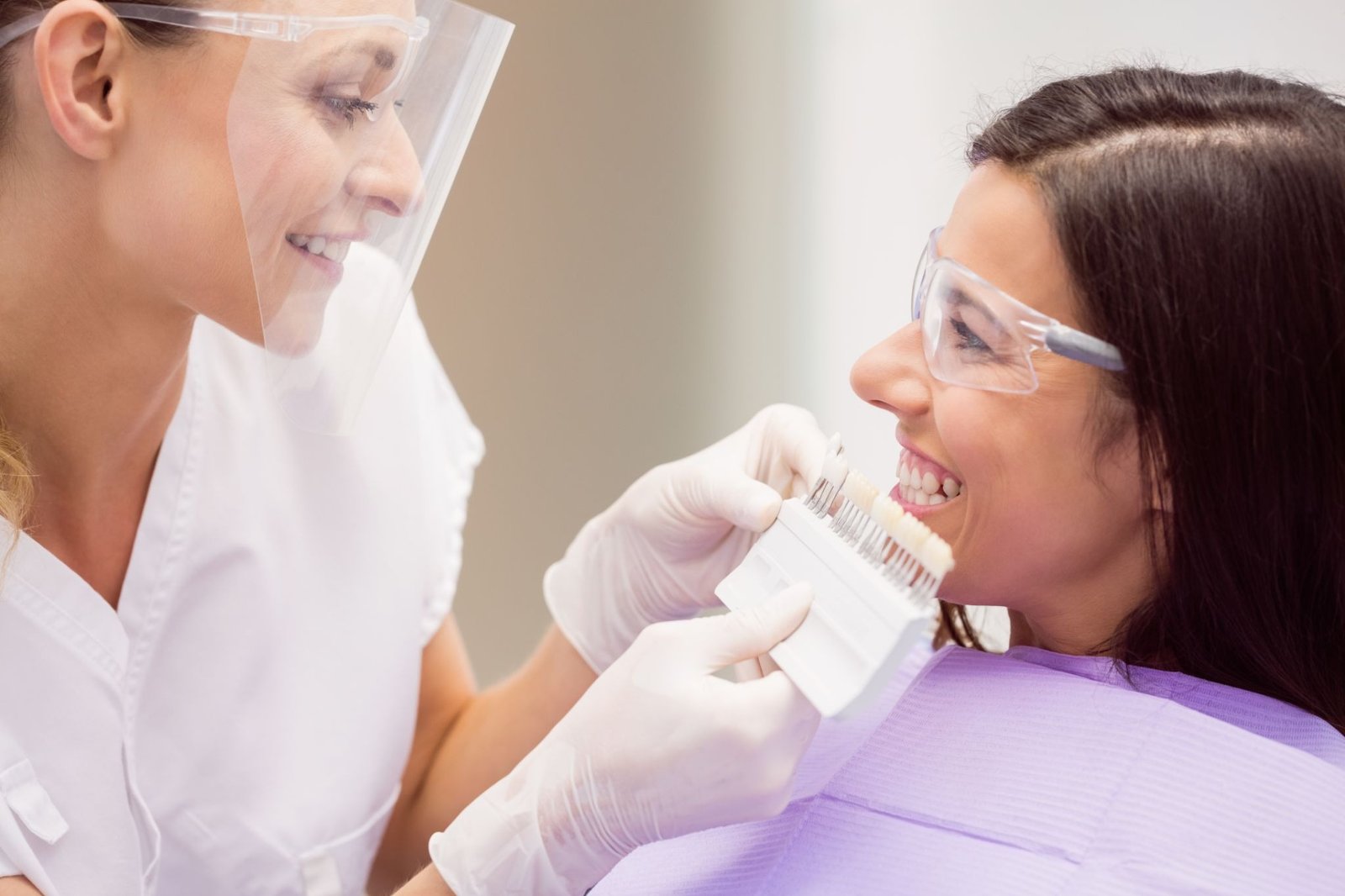
Teeth Whitening can be an effective way to address certain types of tooth discoloration that develop over time. Teeth Whitening may help improve the appearance of teeth affected by food, drinks, tobacco exposure, and normal aging. However, Teeth Whitening does not work the same way for every type of stain, so understanding the available options can help you choose an appropriate approach.
Teeth Whitening treatments generally fall into professional and at home categories. Professional teeth whitening is performed or supervised by a dental professional, while at home products can be purchased through different sources. The best option depends on the type and severity of discoloration, the condition of your teeth and gums, and your desired results.
For patients considering whitening treatment, Raymore Family Dentistry provides dental care information and can help patients understand which options may be appropriate for their individual oral health needs.
Why Do Teeth Become Stained Over Time?
Tooth discoloration can develop gradually. Some stains occur on the outer surface of the teeth, while others develop within the tooth structure.
Surface stains are often associated with foods, beverages, tobacco, and plaque buildup. Common sources include:
- Coffee
- Tea
- Red wine
- Dark-colored foods and sauces
- Tobacco products
- Certain habits that contribute to staining
Internal discoloration can have different causes. Aging, certain medications, trauma, and changes within the tooth can affect the natural color of teeth.
Knowing the type of discoloration is important because whitening treatments are generally more effective for some types of stains than others.
How Does Professional Teeth Whitening Work?
Professional teeth whitening uses bleaching materials selected and applied under dental supervision. Depending on the treatment method, the whitening agent works by breaking down compounds responsible for discoloration.
A dental professional can first evaluate the condition of your teeth and gums before recommending a whitening treatment. This assessment is important because cavities, gum problems, exposed tooth surfaces, or other dental concerns may need attention before whitening.
Professional whitening may be performed in a dental office or through a dentist supervised take home system. The exact process varies depending on the method used.
For people with years of accumulated surface stains, professional treatment may provide more controlled and predictable whitening than some over the counter products.
Is Professional Whitening Better for Long Term Stains?
There is no single whitening option that is best for everyone. However, professional teeth whitening may be appropriate for people who have noticeable discoloration and want treatment under dental supervision.
Professional treatment has several potential advantages:
- The teeth can be evaluated before treatment.
- The whitening method can be selected based on individual needs.
- The concentration and application can be professionally controlled.
- Existing dental concerns can be identified.
- Sensitivity can be discussed before treatment begins.
This does not mean professional whitening will remove every type of discoloration. Certain stains may respond differently or may require another cosmetic or restorative approach.
What Are At Home Whitening Options?
At home whitening products include whitening strips, gels, toothpastes, trays, and other products. Their effectiveness can vary based on the ingredients, concentration, application method, and type of discoloration being treated.
Whitening toothpaste, for example, may help reduce some surface stains through cleaning and mild polishing. It generally does not change the natural color of teeth as significantly as a bleaching treatment.
Whitening strips and other bleaching products may produce more noticeable changes, but results can vary.
People considering at home whitening should follow product instructions carefully and avoid using products more frequently or for longer periods than recommended.
What Is the Best Option for Years of Coffee and Tea Stains?
Coffee and tea can contribute to surface discoloration over time. If the staining is primarily on the outer surface of the teeth, a whitening treatment may help reduce its appearance.
The appropriate approach depends on how severe the discoloration is and whether other dental concerns are present.
A dental professional can determine whether professional whitening, a dentist supervised take home treatment, or another approach may be more appropriate.
Regular dental cleanings can also help remove plaque and certain surface deposits that contribute to a dull appearance.
Can Whitening Remove Tobacco Stains?
Tobacco use can contribute to significant tooth discoloration. The longer the exposure continues, the more noticeable staining may become.
Whitening may help reduce some tobacco related surface stains, but the response varies from person to person.
Continued tobacco exposure can also contribute to other oral health concerns, so whitening should not be considered a replacement for maintaining healthy oral habits.
If staining is accompanied by changes in the gums, persistent irritation, or other unusual symptoms, a dental examination is appropriate before beginning cosmetic treatment.
Does Teeth Whitening Work on All Discoloration?
Teeth Whitening is not equally effective for every type of stain.
Bleaching treatments generally work best on certain natural tooth discolorations and surface stains. They may be less effective for:
- Dental crowns
- Veneers
- Tooth-colored fillings
- Certain types of deep internal discoloration
- Some medication related stains
- Teeth affected by trauma
Dental restorations do not respond to bleaching in the same way as natural tooth enamel. This can create a difference in shade between natural teeth and existing restorations.
A dental evaluation can help determine whether whitening is suitable or whether another treatment may provide a better match.
What If Whitening Does Not Remove the Stains?
Some discoloration does not respond sufficiently to bleaching. In these situations, a dentist may discuss alternative cosmetic or restorative options.
The appropriate treatment depends on the reason for the discoloration and the condition of the affected tooth.
For example, restorations may be considered when discoloration is related to a damaged or heavily altered tooth. Missing teeth involve an entirely different treatment approach. Patients interested in tooth replacement can learn more about a dental implant dentist in Raymore and how implant dentistry addresses missing teeth.
Whitening should therefore be viewed as one part of cosmetic dental care rather than a universal solution for every type of discoloration.
What About Whitening Sensitivity?
Temporary tooth sensitivity is one of the more common concerns associated with whitening treatment.
Sensitivity may occur because whitening agents can temporarily affect the tooth’s response to temperature and other stimuli.
The likelihood and intensity of sensitivity can vary depending on the individual and the whitening method.
Before treatment, discuss any history of sensitive teeth with your dentist. A dental professional may recommend an appropriate treatment approach based on your circumstances.
If significant sensitivity develops during or after whitening, follow the guidance provided by your dental professional and avoid continuing treatment without appropriate advice.
How Can You Maintain Whitening Results?
Whitening results are not necessarily permanent. Teeth can gradually become stained again due to diet, tobacco exposure, oral hygiene, and natural aging.
Some habits can help maintain a brighter appearance:
- Brush regularly using an appropriate technique.
- Clean between the teeth consistently.
- Attend routine dental examinations and cleanings.
- Limit frequent consumption of heavily staining foods and beverages.
- Rinse with water after consuming staining drinks when practical.
- Follow your dentist’s recommendations for maintenance whitening.
The goal is not to eliminate every potentially staining food or drink. Instead, consistent oral hygiene and appropriate dental care can help reduce the buildup of stains.
When Should You See a Teeth Whitening Dentist?
A teeth whitening dentist can evaluate whether discoloration is suitable for whitening and identify any underlying dental concerns.
Someone searching for a teeth whitening dentist in Raymore may benefit from an examination before starting treatment, particularly when discoloration has developed gradually over many years.
A dental professional can assess:
- Tooth condition
- Gum health
- Existing restorations
- Type of discoloration
- Tooth sensitivity
- Previous whitening treatments
- Appropriate treatment options
This evaluation can help prevent whitening from being used when another type of dental treatment is more appropriate.
Patients looking for teeth whitening Raymore services should also consider whether their overall oral health has been evaluated before starting a cosmetic whitening treatment.
Final Thoughts
Teeth Whitening can help reduce certain types of discoloration that develop over years, particularly stains associated with foods, beverages, tobacco, and aging. However, the most suitable whitening treatment depends on the cause of the staining and the condition of your teeth and gums.
Professional teeth whitening can provide a controlled approach for patients with suitable types of discoloration, while at home options may be appropriate for some individuals. A dental evaluation can help determine which approach is suitable and whether any existing dental concerns should be addressed first.
If you have questions about whitening treatment or want to understand which option may be appropriate for your teeth, Contact us to discuss your dental needs.
Frequently Asked Questions
Q1. Can Teeth Whitening remove years of stains?
Whitening may reduce certain long-term surface stains caused by foods, beverages, tobacco, and aging. The results depend on the type and depth of discoloration and the condition of the teeth.
Q2. Is professional teeth whitening better than at home whitening?
Professional whitening provides dental supervision and allows the teeth and gums to be evaluated before treatment. At home options may also work for some people, but results vary depending on the product and type of staining.
Q3. Can whitening remove stains from crowns or fillings?
Whitening treatments generally do not change the color of dental crowns, fillings, veneers, or other restorations in the same way they affect natural teeth. Your dentist can discuss appropriate options if shade differences are a concern.
Q4. How long do whitening results last?
The duration of whitening results varies between individuals. Diet, oral hygiene, tobacco exposure, aging, and other factors can contribute to new staining over time.
Q5. Can I whiten my teeth if they are sensitive?
People with sensitive teeth may still have whitening options, but sensitivity should be discussed with a dental professional before treatment. The dentist can determine whether whitening is appropriate and recommend an approach based on your oral health.
