
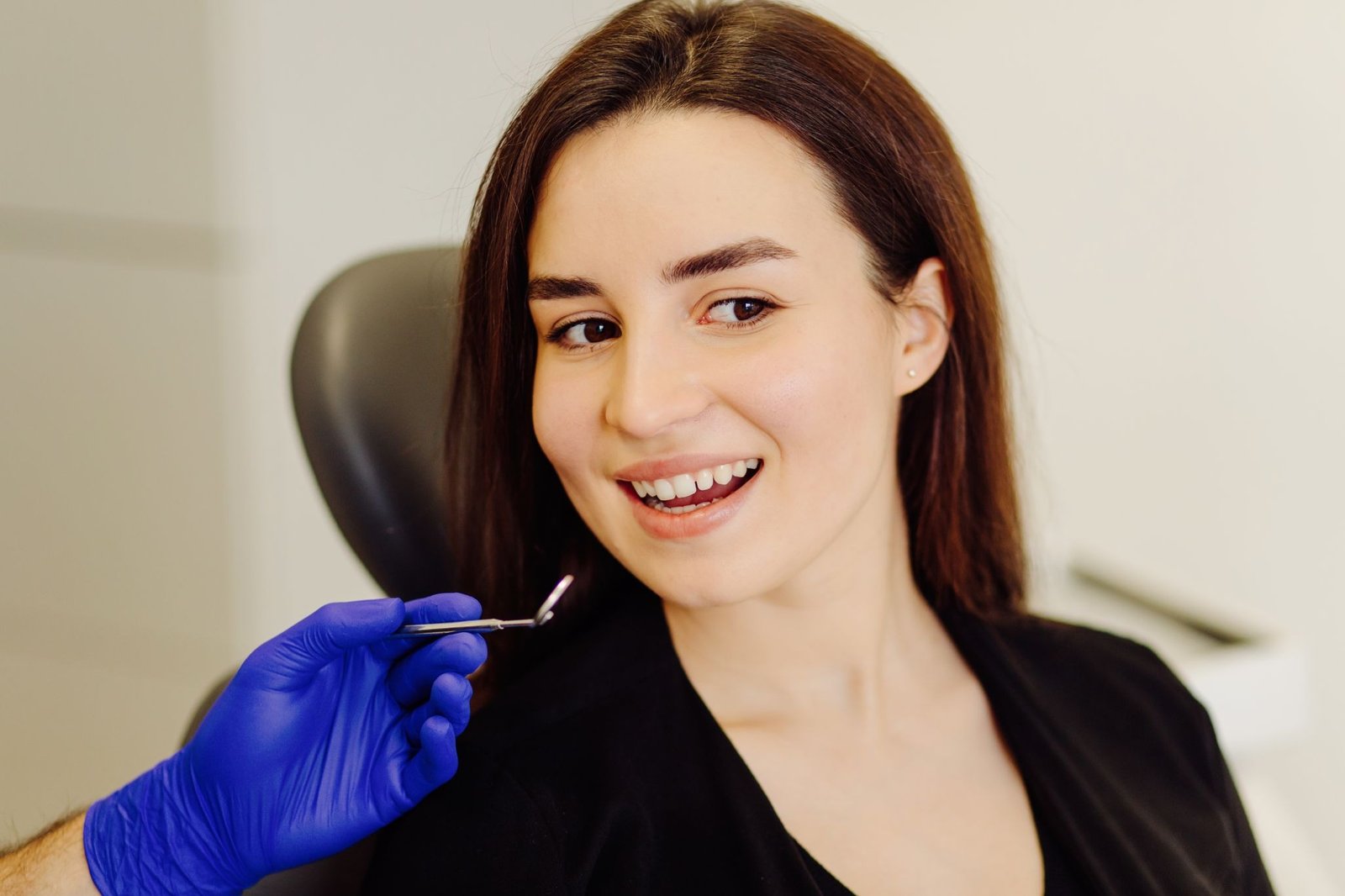
Porcelain Veneers are a popular option for people interested in improving the appearance of their smiles. Porcelain Veneers can change the appearance of individual teeth by covering the visible front surface with thin, custom designed shells. Porcelain Veneers may be considered when teeth have discoloration, minor shape irregularities, small gaps, or other cosmetic concerns that affect the overall appearance of a smile.
Unlike treatments that focus on only one cosmetic issue, veneers can address several visible characteristics at the same time. This makes them an option for people looking for a more coordinated smile makeover. However, veneers are not appropriate for every patient, and a dental evaluation is important before deciding whether they are suitable.
For patients researching cosmetic dental treatment, Raymore Family Dentistry provides information about dental care and cosmetic treatment options.
What Are Porcelain Veneers?
Porcelain veneers are thin dental restorations designed to cover the front surfaces of teeth. They are custom made to fit the individual tooth and are designed to complement the surrounding smile.
Veneers can be used to address several cosmetic concerns, including:
- Discolored or stained teeth
- Minor chips or worn edges
- Irregular tooth shapes
- Small gaps between teeth
- Mild alignment or proportion concerns
- Teeth that appear uneven in size
The suitability of veneers depends on the condition of the teeth, gums, bite, and overall oral health.
Why Are Veneers Popular for Smile Makeovers?
One reason dental veneers are commonly considered for smile makeovers is their ability to address several cosmetic characteristics through one treatment approach.
A smile makeover may involve concerns about tooth color, shape, symmetry, spacing, or proportions. Rather than addressing each concern separately, veneers can sometimes improve multiple visible characteristics simultaneously.
The treatment is also customized. The shape, size, shade, and overall appearance of veneers can be planned based on the patient’s facial features, existing teeth, and desired outcome.
A Natural Looking Appearance
Modern porcelain materials can be designed to resemble natural tooth enamel. Teeth naturally reflect and transmit light, and porcelain can be selected and shaped to create a similar visual effect.
The appearance of veneers depends on several factors, including:
- Tooth shape
- Surface texture
- Shade selection
- Placement
- Relationship with neighboring teeth
- Overall smile proportions
The goal of cosmetic dental treatment is not necessarily to make every tooth look identical. A natural looking smile usually involves balance and appropriate variation.
Addressing Tooth Discoloration
Tooth discoloration is one of the concerns that can lead patients to consider veneers. Some stains respond well to professional whitening, while other types of discoloration may be more difficult to change through whitening alone.
Veneers can cover the visible surface of a tooth, making them an option for certain types of persistent discoloration.
However, whitening and veneers serve different purposes. Whitening changes the color of natural tooth structure, while veneers cover part of the tooth with a restorative material.
A dental professional can evaluate the cause of discoloration and determine whether whitening, veneers, or another treatment would be more appropriate.
Improving Tooth Shape and Proportion
Teeth can naturally vary in size and shape. Some may appear shorter, narrower, uneven, or disproportionate compared with neighboring teeth.
Veneers can be designed to alter the visible shape and proportions of selected teeth. This can help create greater visual balance across the smile.
For example, veneers may be considered when a patient has small chips or worn edges that affect the symmetry of the front teeth.
The amount of change possible depends on the existing tooth structure and the patient’s specific dental anatomy.
Managing Small Gaps Between Teeth
Small spaces between teeth can be another reason people consider dental veneers. Depending on the size and location of the gap, veneers may be used to change the visible proportions of the teeth and reduce the appearance of spacing.
However, veneers are not always the most appropriate solution for gaps. Orthodontic treatment or other approaches may be better depending on the underlying cause.
A dental examination can help determine whether veneers are suitable or whether another treatment would provide a more appropriate solution.
Understanding Porcelain Veneers in Raymore
Patients researching porcelain veneers Raymore options should understand that treatment planning is individualized. Veneers are not simply selected from a standard shape or shade. Each restoration needs to be planned according to the patient’s teeth and overall smile.
A dental professional may evaluate:
- Tooth structure
- Existing restorations
- Gum health
- Bite and tooth contact
- Tooth alignment
- Smile proportions
- Desired cosmetic changes
This evaluation helps determine whether veneers are appropriate and what type of result may be realistic.
Patients interested in learning more about treatment can review information about porcelain veneers in Raymore.
What Happens Before Veneers Are Placed?
Planning is an important part of veneer treatment. Before the procedure, the dentist evaluates the teeth and discusses the patient’s cosmetic concerns.
Depending on the circumstances, the planning process may include an examination, photographs, imaging, impressions, or digital scans.
The dentist may also discuss the desired:
- Tooth shade
- Tooth length
- Tooth shape
- Degree of cosmetic change
- Number of teeth involved
- Relationship between the veneers and surrounding teeth
This planning stage helps establish realistic expectations before treatment begins.
Are Veneers Suitable for Everyone?
Veneers are not appropriate for every patient. The underlying teeth and gums need to be healthy enough to support the treatment.
Certain concerns may need to be addressed first, including untreated tooth decay, active gum disease, or other oral health problems.
Bite issues can also affect suitability. If a person regularly places excessive force on the front teeth, additional considerations may be necessary before veneers are recommended.
Patients who grind or clench their teeth may also need to discuss protective measures with their dentist. In some situations, a custom night guard may be recommended to help protect teeth from excessive forces during sleep.
How Long Can Dental Veneers Last?
The lifespan of veneers depends on several factors, including oral hygiene, biting forces, habits, material quality, and regular dental care.
Although porcelain is durable, veneers are not indestructible. Biting hard objects, using teeth as tools, or experiencing significant trauma can damage natural teeth and restorations.
Regular dental examinations allow the dentist to monitor veneers and the surrounding teeth.
Good daily oral hygiene is also important. Patients should continue brushing and cleaning between their teeth as recommended.
Caring for Veneers After Treatment
Veneers require many of the same basic oral hygiene practices as natural teeth.
Helpful habits may include:
- Brush regularly using an appropriate technique.
- Clean between teeth every day.
- Attend routine dental examinations.
- Avoid chewing extremely hard objects.
- Do not use teeth to open packages.
- Follow any personalized dental recommendations.
- Report chips, cracks, or changes in the veneers promptly.
Veneers should not be treated as completely maintenance free. The underlying natural teeth and surrounding gums still require regular care.
How Do Veneers Compare With Other Cosmetic Treatments?
There are several ways to improve the appearance of a smile, and the best option depends on the specific concern.
Whitening may be appropriate for certain types of discoloration. Orthodontic treatment may be more suitable for significant alignment or spacing concerns. Bonding can sometimes address smaller chips or shape irregularities.
Veneers may be considered when several cosmetic characteristics need to be addressed together.
A dentist for teeth veneers can compare these options and explain the potential benefits, limitations, and maintenance requirements of each approach.
The Importance of Realistic Expectations
A successful cosmetic treatment plan should begin with realistic expectations. Veneers can change the appearance of teeth, but they cannot correct every dental concern.
Patients should understand that:
- Veneers do not replace daily oral hygiene.
- They may not be suitable for unhealthy teeth.
- They can require some alteration of natural tooth structure.
- They can be damaged by excessive biting forces.
- Results depend on individual dental anatomy.
- Future maintenance or replacement may eventually be necessary.
Discussing these factors before treatment can help patients make informed decisions.
Why Professional Evaluation Matters
Online information can help patients understand cosmetic treatments, but it cannot determine whether veneers are appropriate for an individual.
A professional evaluation allows the dentist to examine the teeth, gums, bite, existing restorations, and overall oral health.
It also provides an opportunity to discuss alternatives. For some patients, whitening, bonding, orthodontic treatment, or restorative care may be more appropriate than veneers.
The goal should be to select a treatment based on the patient’s dental condition rather than choosing a procedure solely because it is popular.
Final Thoughts
Porcelain Veneers remain a popular option for smile makeovers because they can address several visible characteristics of teeth at the same time. They can be designed to improve concerns involving color, shape, proportions, minor spacing, and small imperfections.
However, veneers are not a universal solution. Healthy teeth and gums, appropriate bite conditions, realistic expectations, and proper aftercare all play important roles in determining whether treatment is suitable.
If you have questions about veneers or would like to discuss your cosmetic dental needs, Contact us to learn more about the next steps.
Frequently Asked Questions
Q1. What are porcelain veneers used for?
Porcelain veneers are primarily used to improve the visible appearance of teeth. They may address discoloration, minor chips, irregular shapes, small gaps, and certain proportion concerns.
Q2. Are porcelain veneers permanent?
Veneers are considered a long term cosmetic dental treatment, but they are not necessarily permanent. Their longevity depends on factors such as oral hygiene, biting forces, habits, and overall dental care. Replacement may eventually be necessary.
Q3. Are veneers suitable for people with teeth grinding?
People who grind or clench their teeth may require additional evaluation before receiving veneers. Excessive biting forces can affect restorations, so protective measures may be recommended depending on the individual situation.
Q4. Can veneers fix gaps between teeth?
Veneers may be suitable for certain small gaps, depending on their size, location, and cause. Orthodontic treatment or other options may be more appropriate for some types of spacing.
Q5. How should I care for porcelain veneers?
Care for veneers includes regular brushing, cleaning between teeth, routine dental examinations, and avoiding habits that can damage teeth or restorations. Your dentist may also provide personalized care recommendations.
