
Fillings
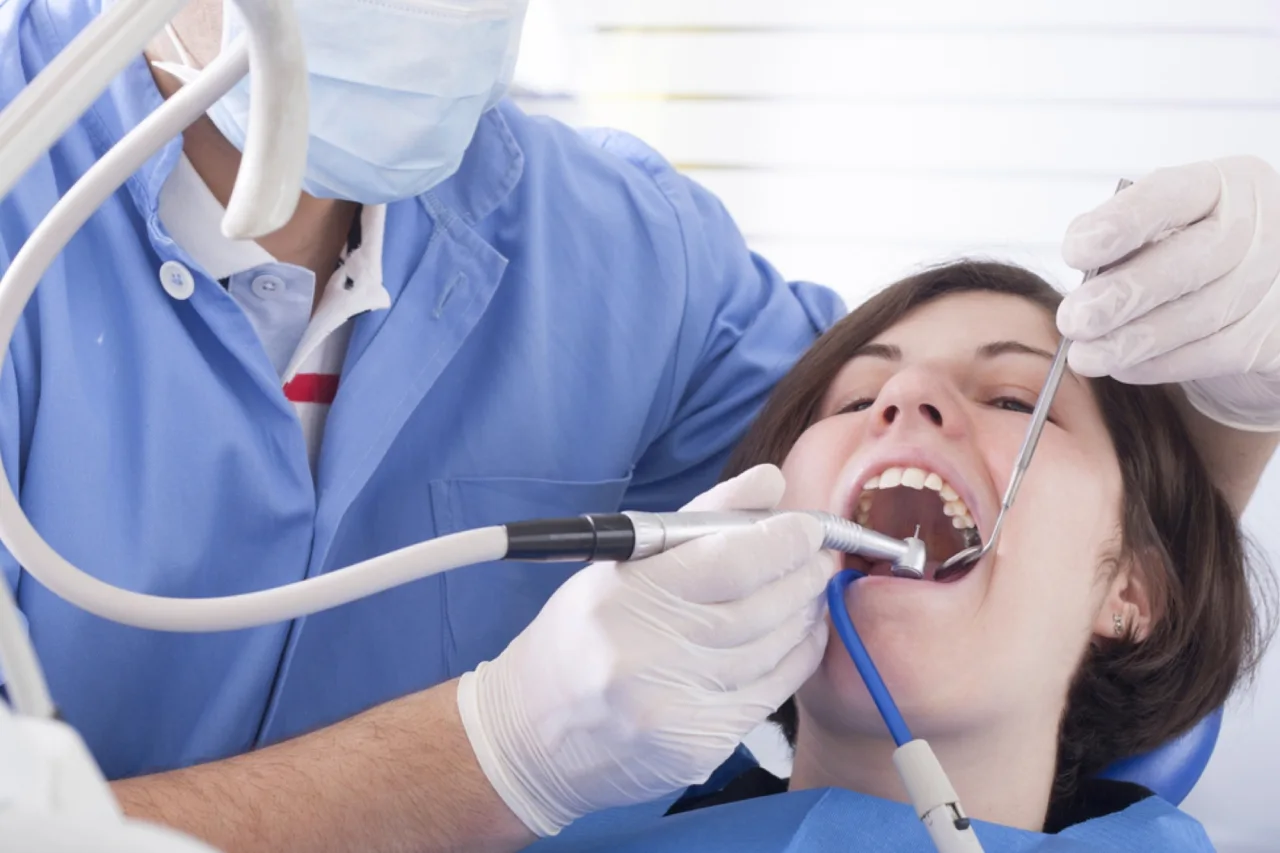
Dental fillings restore teeth affected by cavities or minor damage. We use tooth-colored materials designed to blend naturally with your smile while restoring strength and function.
Composite Fillings
We use tooth-colored composite resin to fill cavities, blending seamlessly with your smile. These fillings preserve more of the natural tooth structure.
Safe Materials
We avoid outdated materials and typically use mercury-free fillings. Our materials are biocompatible and durable.
Prevention & Repair
Even small cavities can worsen without treatment. Our dentist uses modern techniques to gently remove decay and restore the tooth. Every filling is carefully shaped and polished to restore proper bite and appearance.
Minor or Multiple Fillings
For multiple decay spots or old filling replacements, we provide same-day care. With local anesthesia and sedation options, getting your fillings done can be smooth and stress-free.
Have a cavity or sensitivity? Call 1-816-322-8080 to get your teeth checked. We’ll fix the problem quickly and gently so you can smile confidently again.
Contact Information
Mon : 8:00am – 4:00pm
Tues - Wed : 8:00am – 5:00pm
Thursday : 7:30am – 3:30pm
Fri - Sun : Emergency for patients of record
109B S Madison St, Raymore,
MO 64083
816-322-8080
appointments@saadfamilydental.com
Tooth-Colored Fillings in Raymore, MO
Cavities are one of the most common health problems in the world, and almost everyone will need a filling at some point. The good news is that when decay is found early, treatment is quick, comfortable and preserves most of your natural tooth. At Raymore Family Dentistry, Dr. Saad Tarar uses tooth-colored composite fillings that restore strength and blend seamlessly with your smile.
What Causes Cavities?
Cavities form when bacteria in plaque feed on sugars and starches and produce acids that dissolve tooth enamel. Over time, a small weak spot becomes a hole. Frequent snacking, sugary drinks, dry mouth, deep grooves in the teeth, receding gums and infrequent brushing or flossing all increase your risk. Because early decay usually causes no pain, regular dental checkups are the best way to find cavities while they are small.
Signs You May Need a Filling
- Sensitivity to cold, heat or sweets
- A dark spot, stain or visible hole in a tooth
- Food repeatedly catching between certain teeth
- A rough or sharp edge you can feel with your tongue
- Pain when biting down
- A chipped tooth or a filling that has cracked or fallen out
Benefits of Composite (Tooth-Colored) Fillings
- Natural appearance – matched to the shade of your tooth so they are virtually invisible.
- Conservative – composite bonds to the tooth, so less healthy structure needs to be removed.
- Supportive – bonding helps strengthen the remaining tooth.
- Mercury-free – a metal-free option many patients prefer.
- Versatile – also used to repair chips and small cosmetic flaws.
The Filling Procedure
- Numbing – we apply a topical gel and gently numb the area so you stay comfortable.
- Removing decay – the damaged portion of the tooth is carefully cleaned away.
- Bonding – the tooth is prepared so the composite bonds securely.
- Layering and curing – the composite is placed in thin layers and hardened with a special light.
- Shaping and polishing – the filling is shaped to fit your bite and polished to a natural shine.
Most fillings are completed in a single visit. You can usually eat as soon as the numbness wears off.
Replacing Old Silver Fillings
Older amalgam (silver) fillings can darken teeth, and over many years they may crack or develop leaks where decay can start underneath. If an old filling is failing, we can replace it with a tooth-colored restoration. If a filling is still sound, we will tell you so – we only recommend replacement when there is a good reason.
When a Filling Is Not Enough
If decay is very large or a tooth is cracked, a filling may not provide enough support. In those cases a dental crown protects the tooth from breaking. If decay has reached the nerve, root canal therapy may be needed to save the tooth. That is why treating cavities early is so important.
Caring for Your Fillings
Brush twice daily with fluoride toothpaste, clean between your teeth every day, limit sugary snacks and drinks, and keep up with checkups. Avoid chewing ice or hard objects, and consider a night guard if you grind your teeth.
Fillings for Children
Baby teeth matter. They help children chew, speak and hold space for permanent teeth. Treating cavities in baby teeth prevents pain and infection. We also offer sealants and fluoride to help prevent cavities. See family dentistry.
Cost and Insurance
Fillings are a basic restorative service covered by most dental insurance plans. We will review your benefits and explain any costs before treatment. Our in-house membership plan offers savings for patients without insurance – see insurance and financing.
Frequently Asked Questions About Fillings
Does getting a filling hurt?
With local anesthetic, most patients feel only pressure and vibration. Mild sensitivity for a few days afterward is normal.
How long do composite fillings last?
Many last 7 to 10 years or longer, depending on the size of the filling and your habits.
Can a cavity go away on its own?
Very early enamel weakness can sometimes be reversed with fluoride, but once a cavity forms, it needs to be repaired.
Why does my filled tooth feel sensitive?
Some sensitivity is normal for a short time. If your bite feels high or sensitivity lasts more than a couple of weeks, call us so we can adjust or check the tooth.
Preventing Future Cavities
Once a cavity has been repaired, the goal is to keep new ones from forming. Brush twice a day with fluoride toothpaste and clean between your teeth daily, since many cavities start where teeth touch. Sip water instead of soda, sports drinks or sweetened coffee, and try to keep snacks to mealtimes rather than grazing all day, which gives teeth time to recover from acid attacks. Chewing sugar-free gum after meals increases saliva, which naturally protects enamel. If you have a dry mouth from medications, let us know; we can suggest products that help. For children and adults at high risk, fluoride varnish and dental sealants add extra protection. During each professional cleaning we check existing fillings for wear or leakage so they can be repaired before decay returns.
Can I get a filling on a front tooth?
Yes. Composite is ideal for front teeth because it can be precisely matched to your natural shade and polished to look like enamel.
Schedule a Visit
If you have tooth sensitivity or think you may have a cavity, contact Raymore Family Dentistry at 109B S Madison St, Raymore, MO 64083. New patients call (816) 310-0150, current patients call (816) 322-8080, or book online.